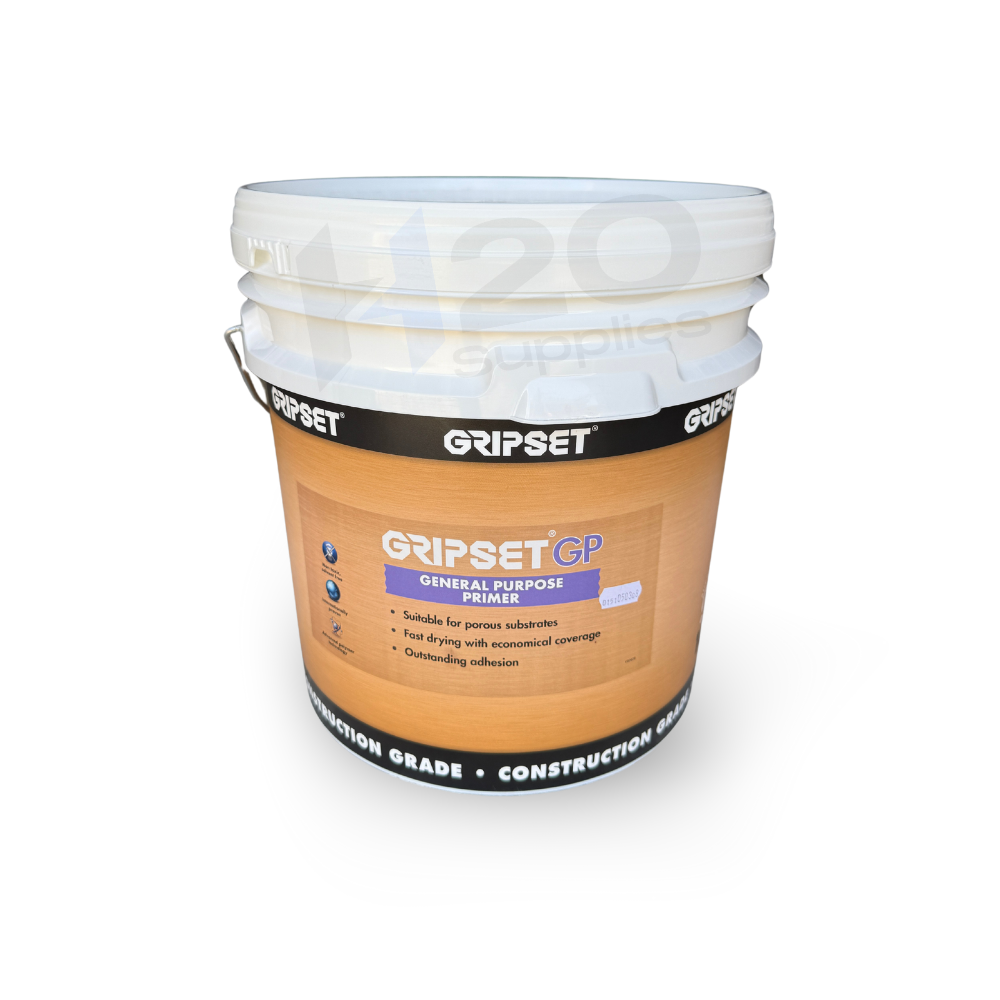
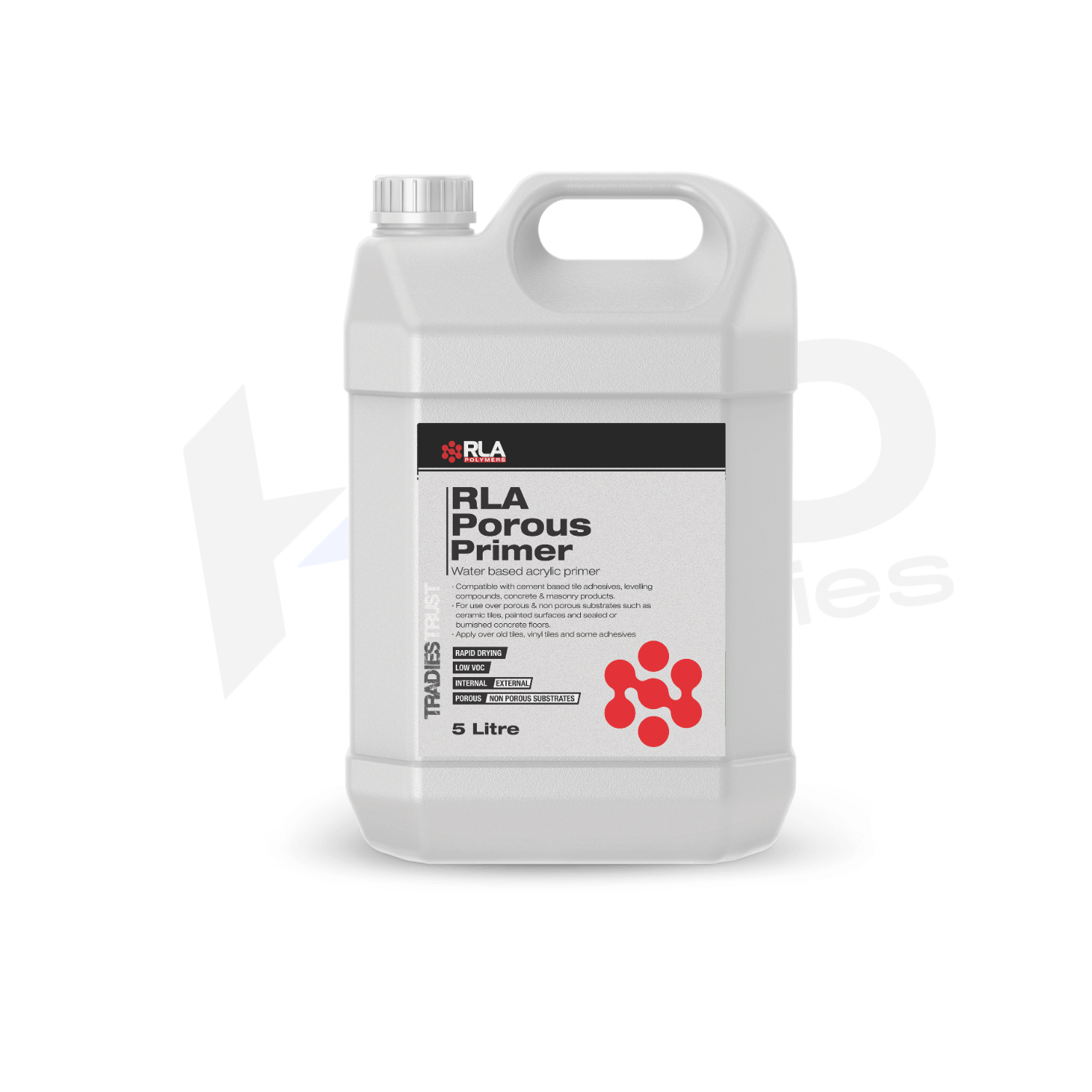
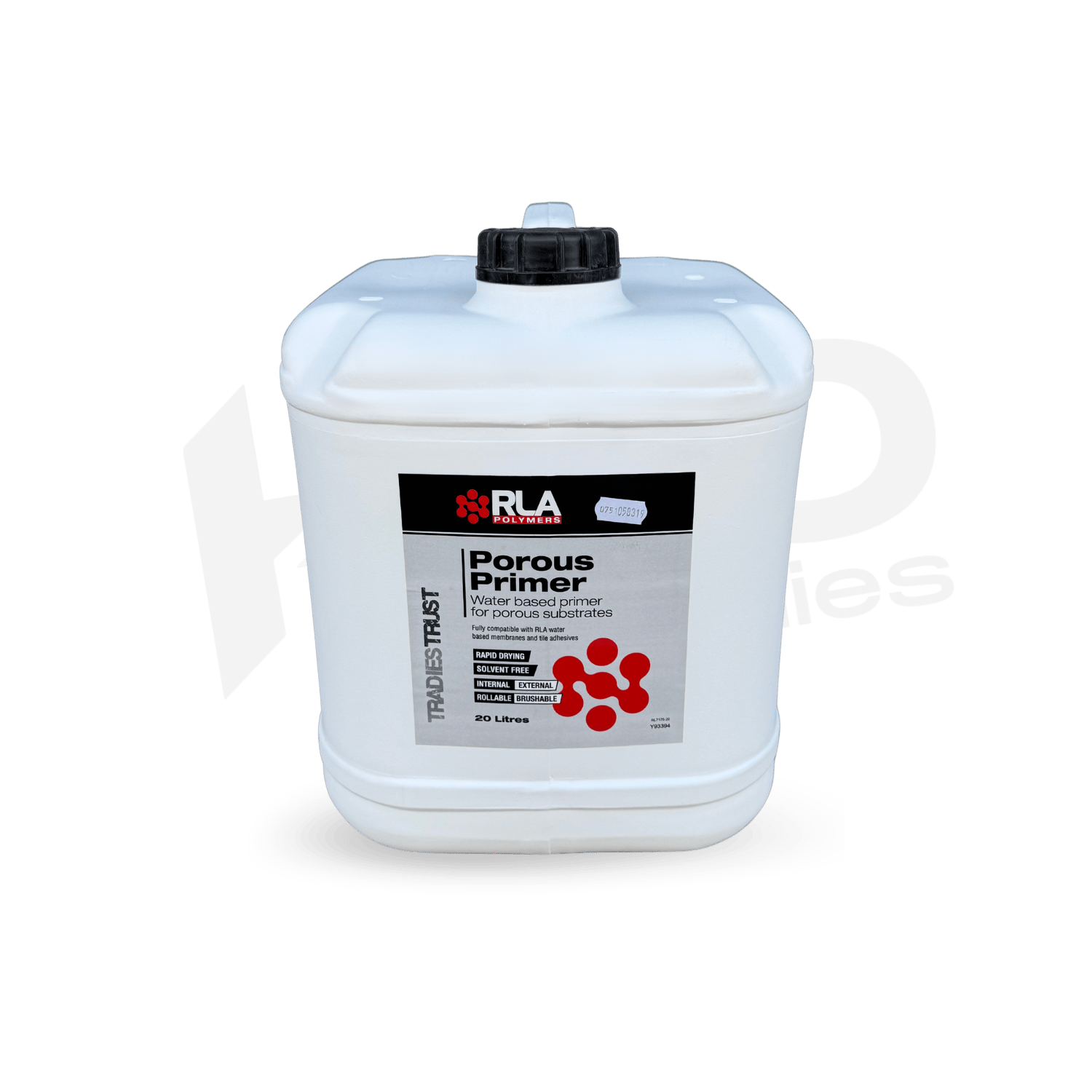
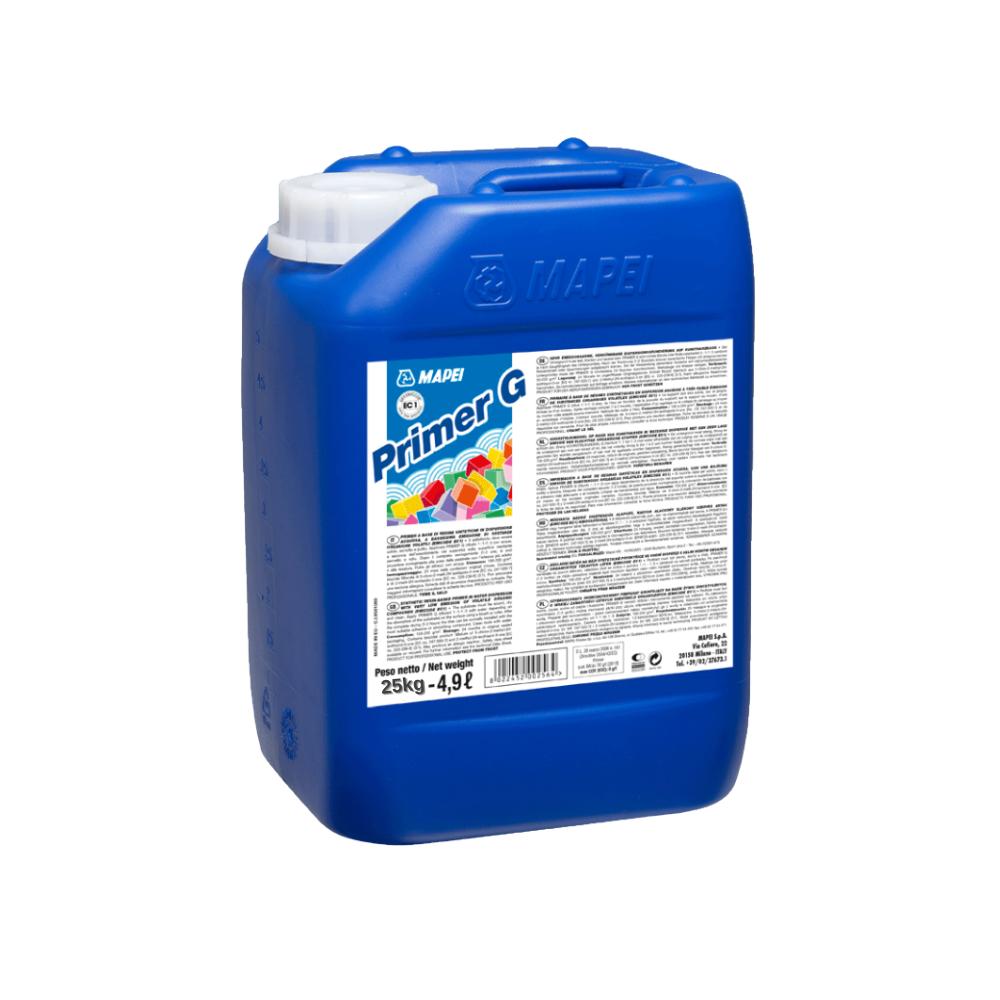







Substrate
Identify whether the surface is porous, dense, tiled, metallic or otherwise difficult to bond. Remove contamination, laitance and weak material before priming.


 H2O Supplies
H2O Supplies
H2O Supplies
Primers, moisture barriers and surface-preparation products for waterproofing, tiling and remedial applications. Select products to suit the substrate, moisture condition, porosity and required membrane or adhesive system.

Start with the primer family, then confirm the product is approved for the substrate and the nominated membrane, adhesive or coating system.
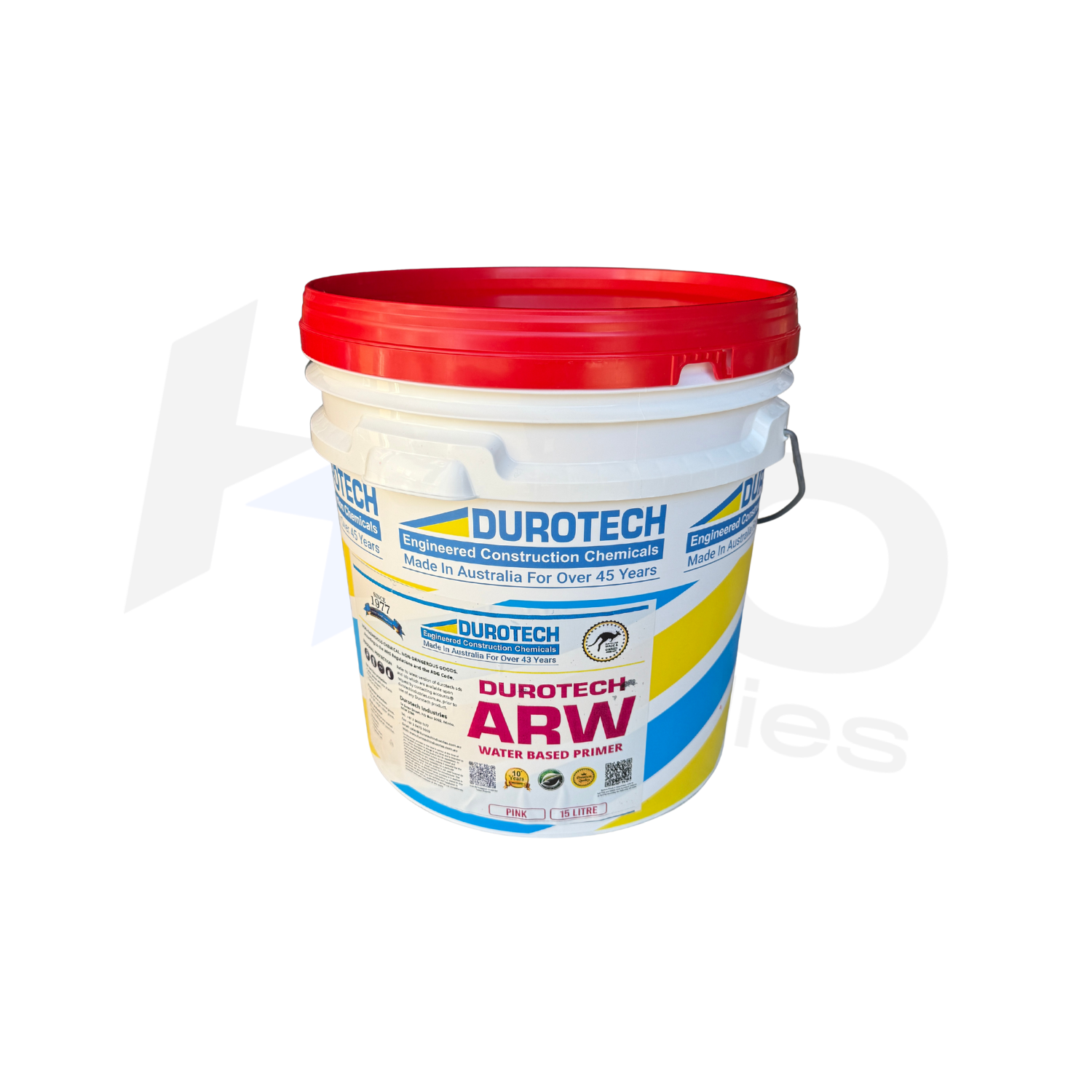
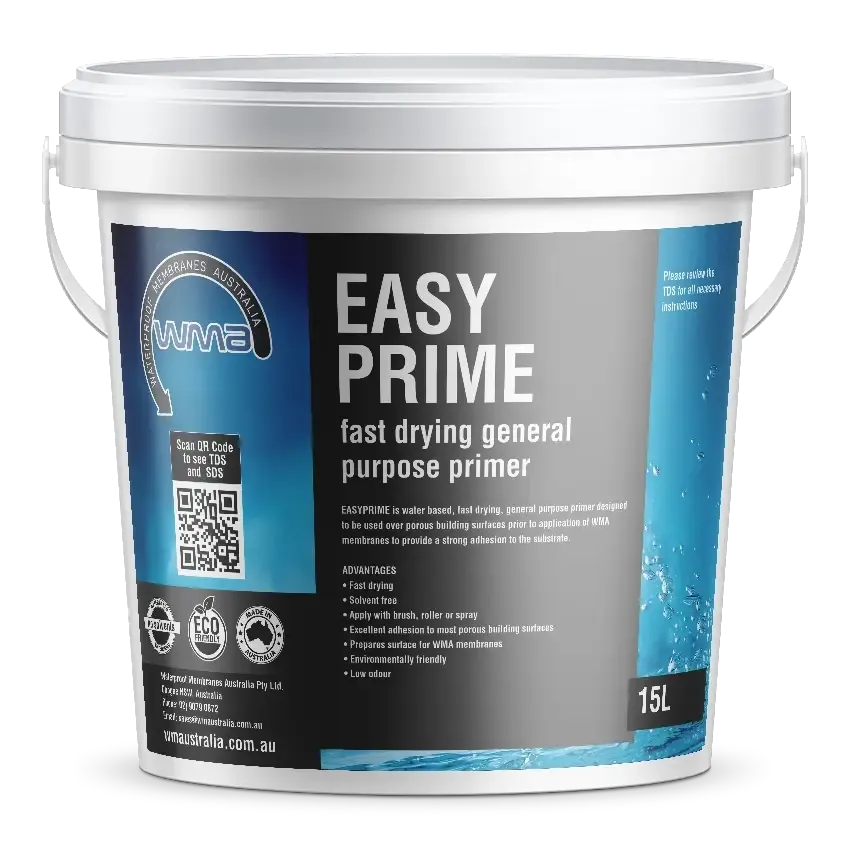
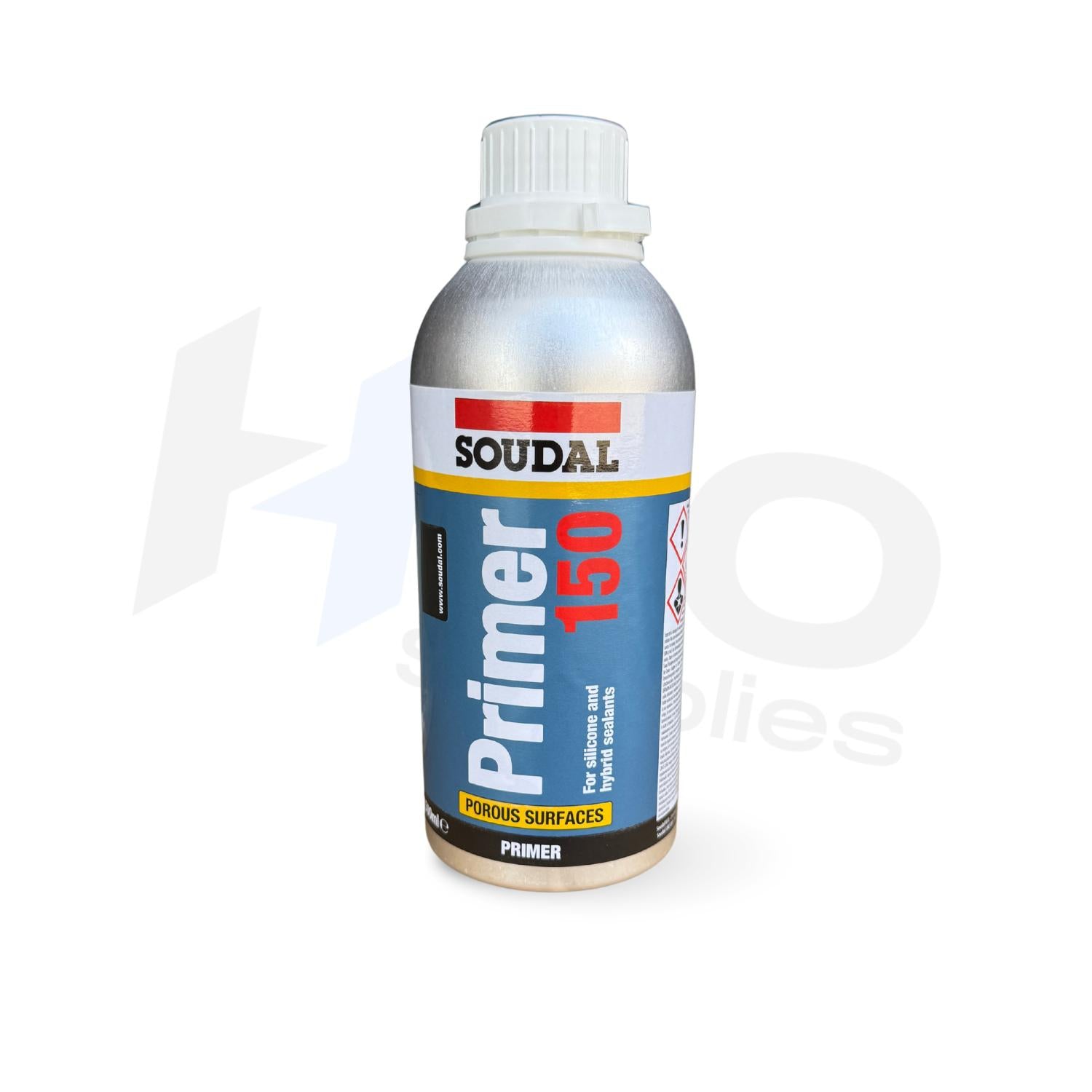
For absorbent mineral backgrounds such as suitably prepared concrete and screeds; confirm each system's substrate and moisture limits.
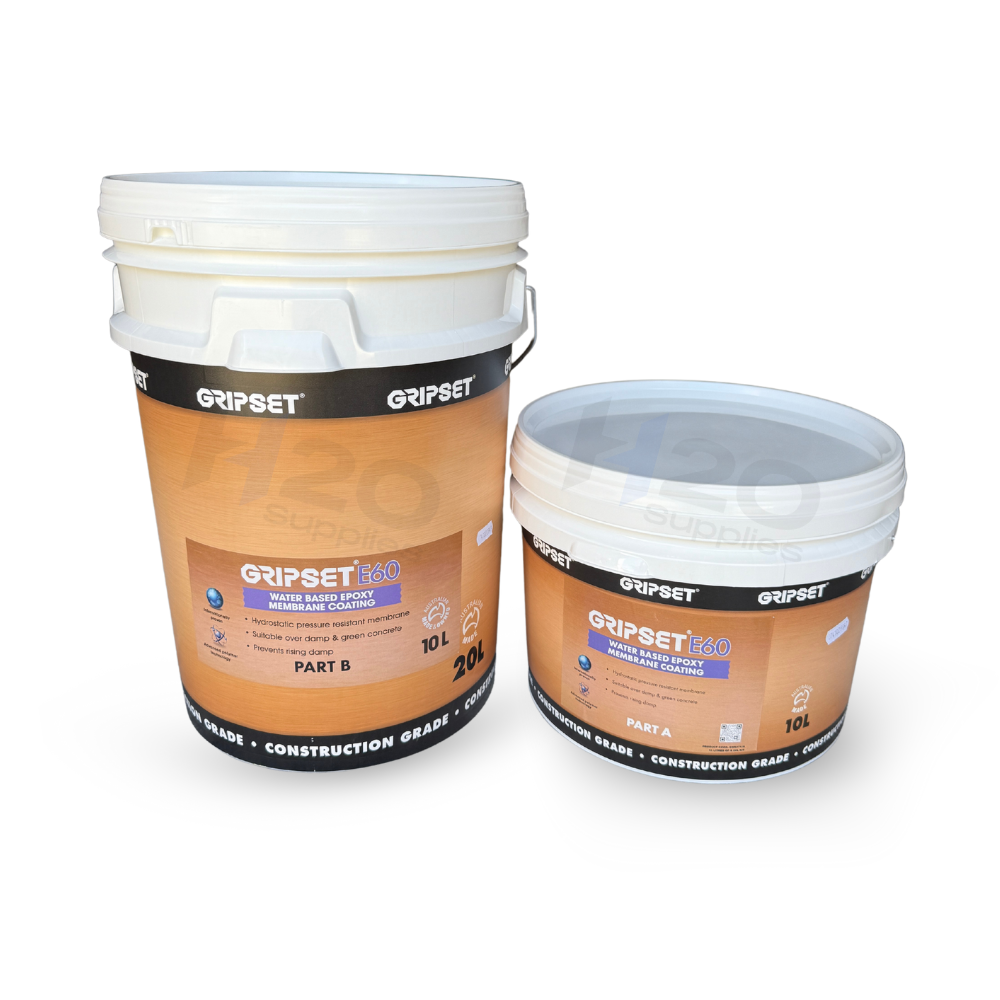
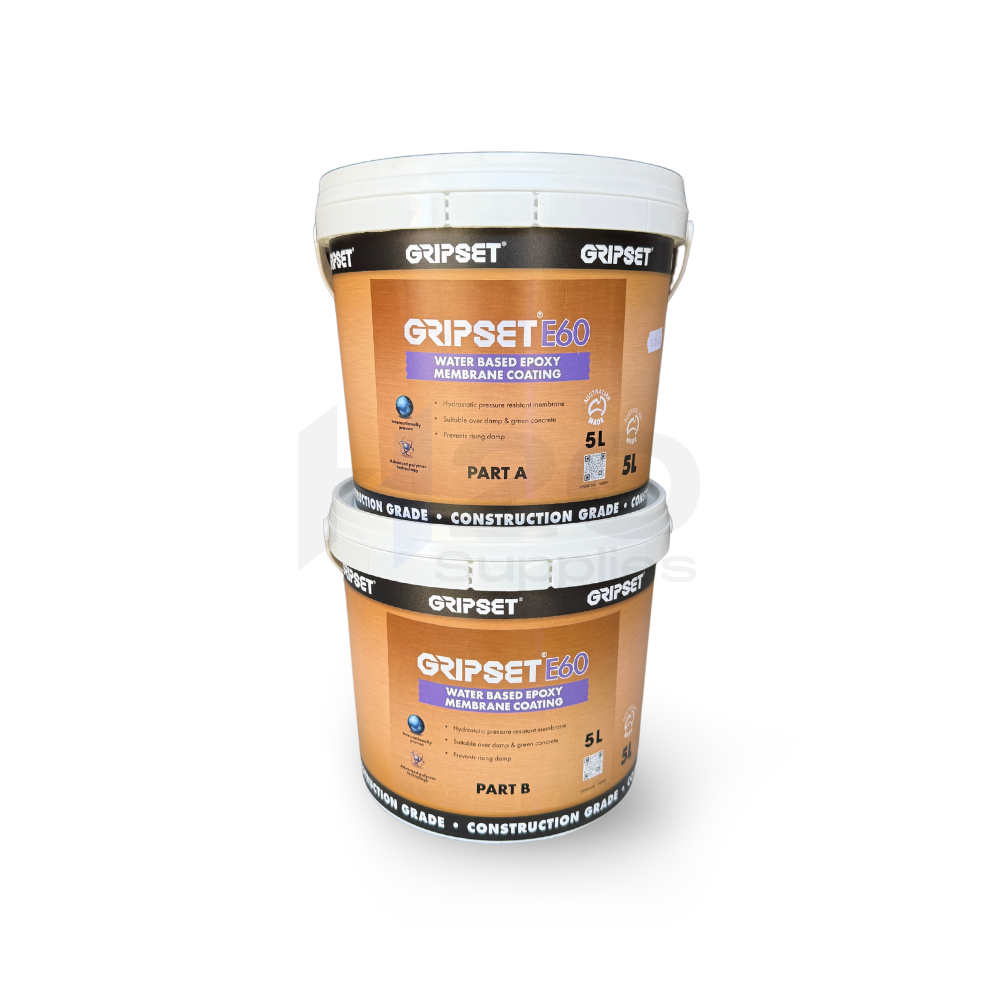
For higher-risk substrates where the specified system requires an epoxy primer or documented moisture-control layer; test residual moisture first.
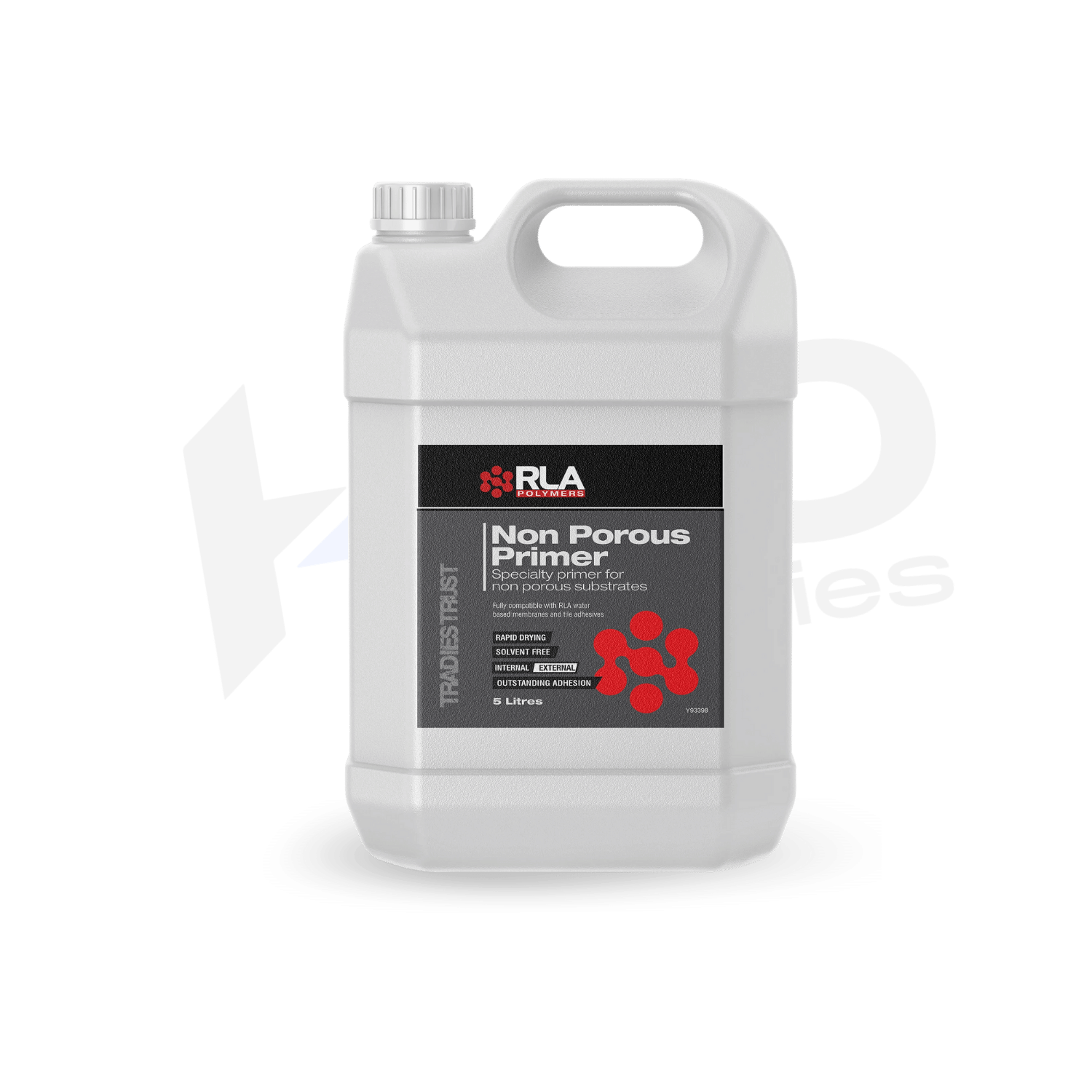
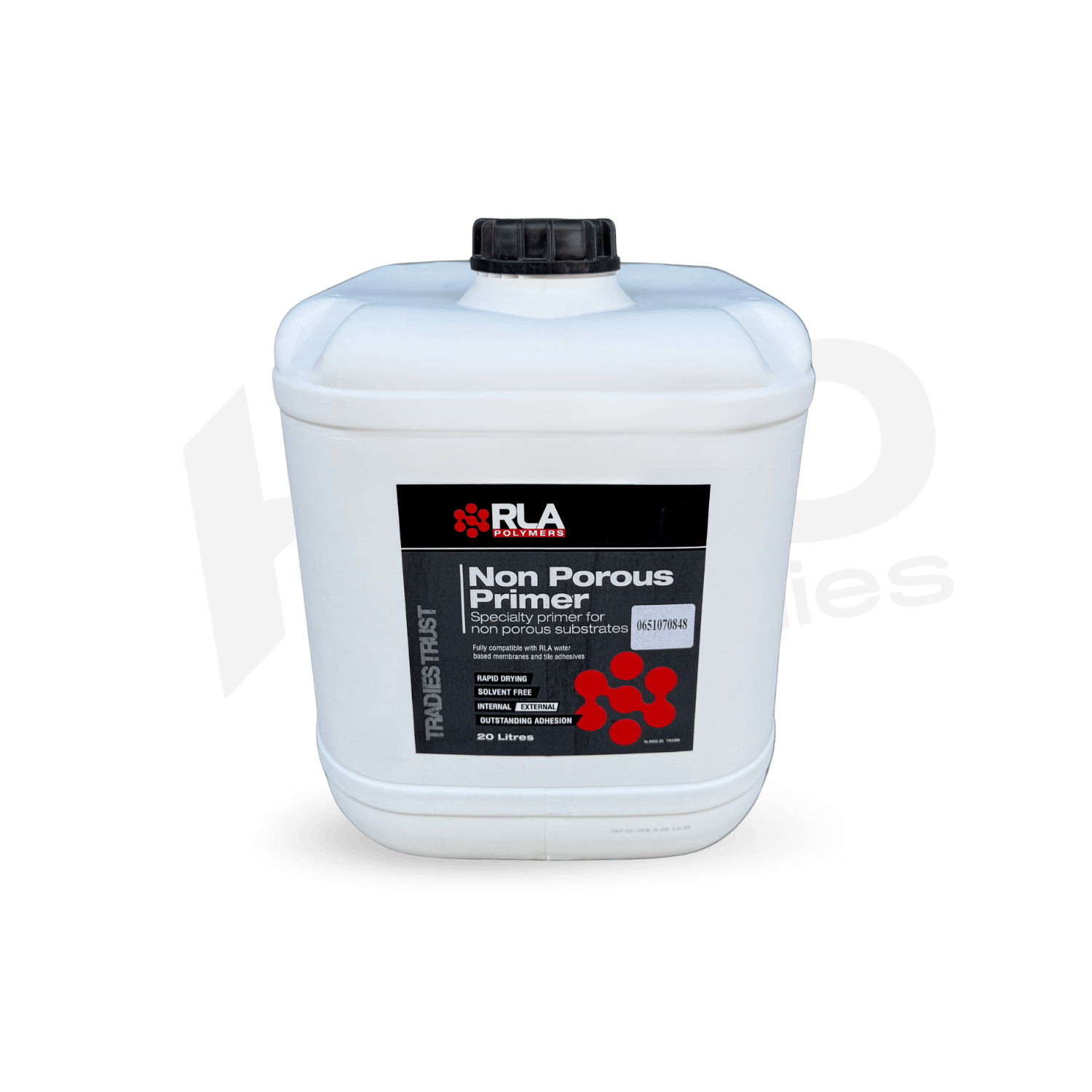
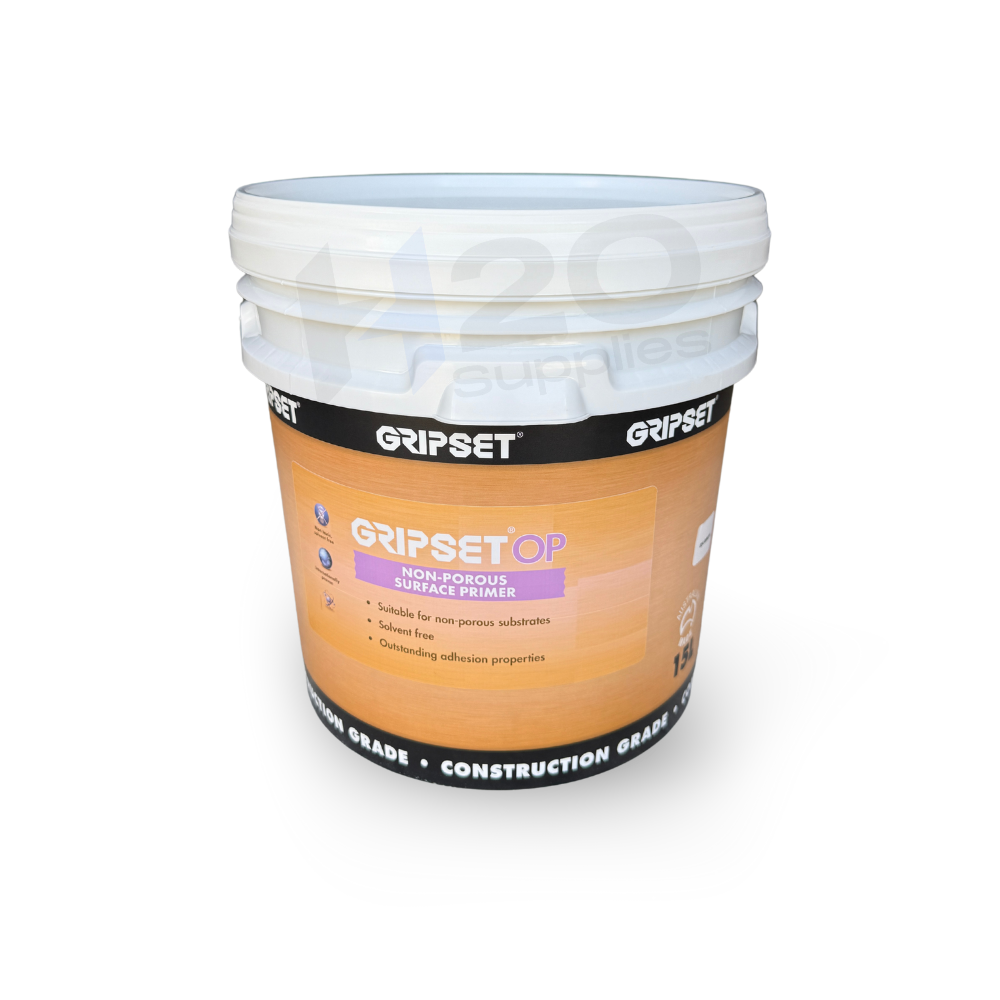
For dense, smooth or low-absorbency surfaces where the nominated system requires an adhesion-promoting primer; confirm substrate preparation and compatibility.
Primers nominated for compatible polyurethane and specialist coating systems; follow the complete manufacturer system and stated recoat window.
Primer selection starts with substrate condition and the complete compatible system. Confirm the manufacturer’s current technical requirements before application.
Identify whether the surface is porous, dense, tiled, metallic or otherwise difficult to bond. Remove contamination, laitance and weak material before priming.
Test residual moisture rather than relying on appearance. Use only products documented for the measured moisture level, slab age and exposure.
Match the primer to the nominated membrane, adhesive or coating system. Do not substitute primer chemistry without written manufacturer compatibility.
Confirm coverage, preparation, temperature, cure and recoat windows. A missed recoat window may require further preparation or repriming.


