











Substrate
Identify the substrate, its strength, porosity and existing finish. Repair defects and prepare it to the membrane manufacturer’s current requirements.


 H2O Supplies
H2O Supplies
H2O Supplies
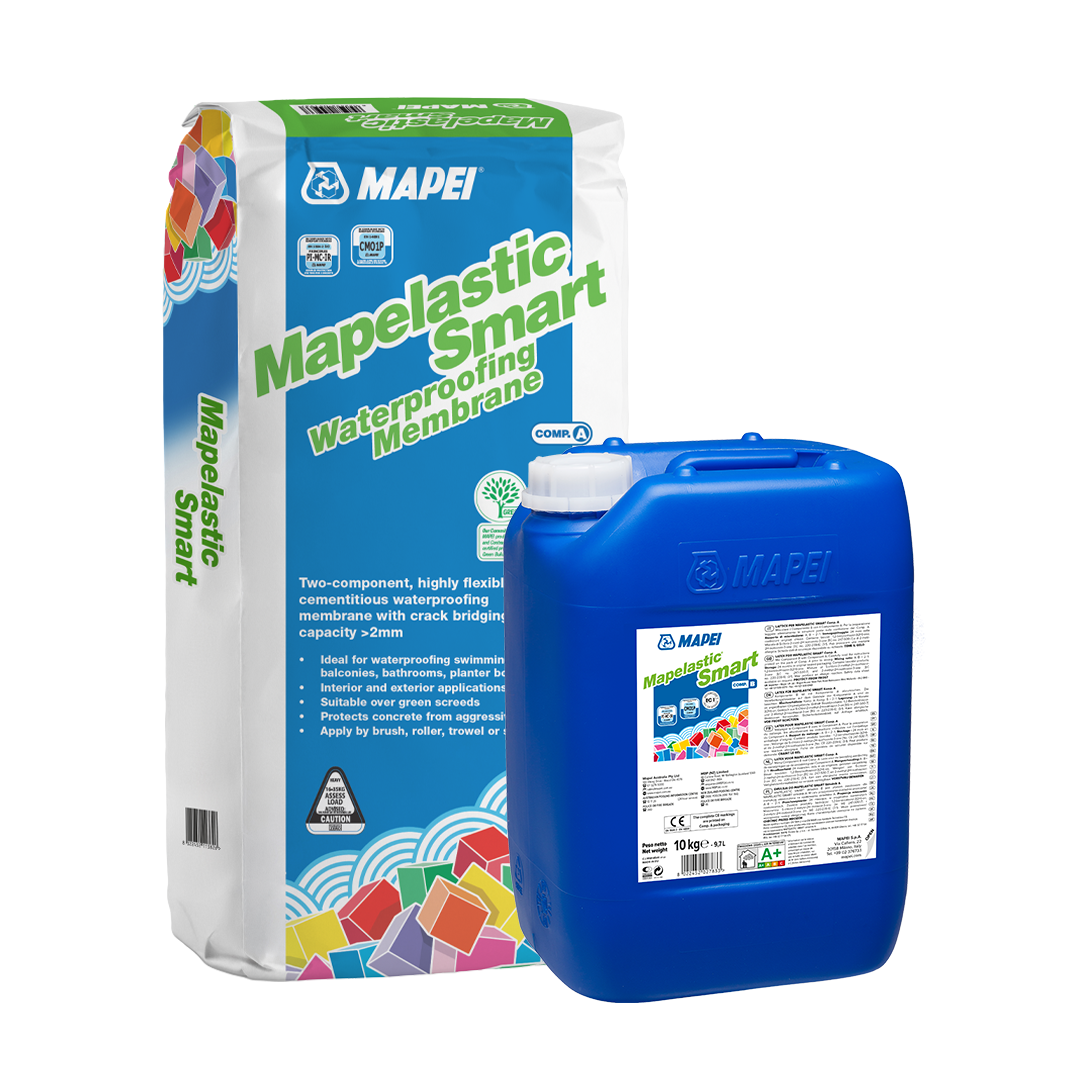
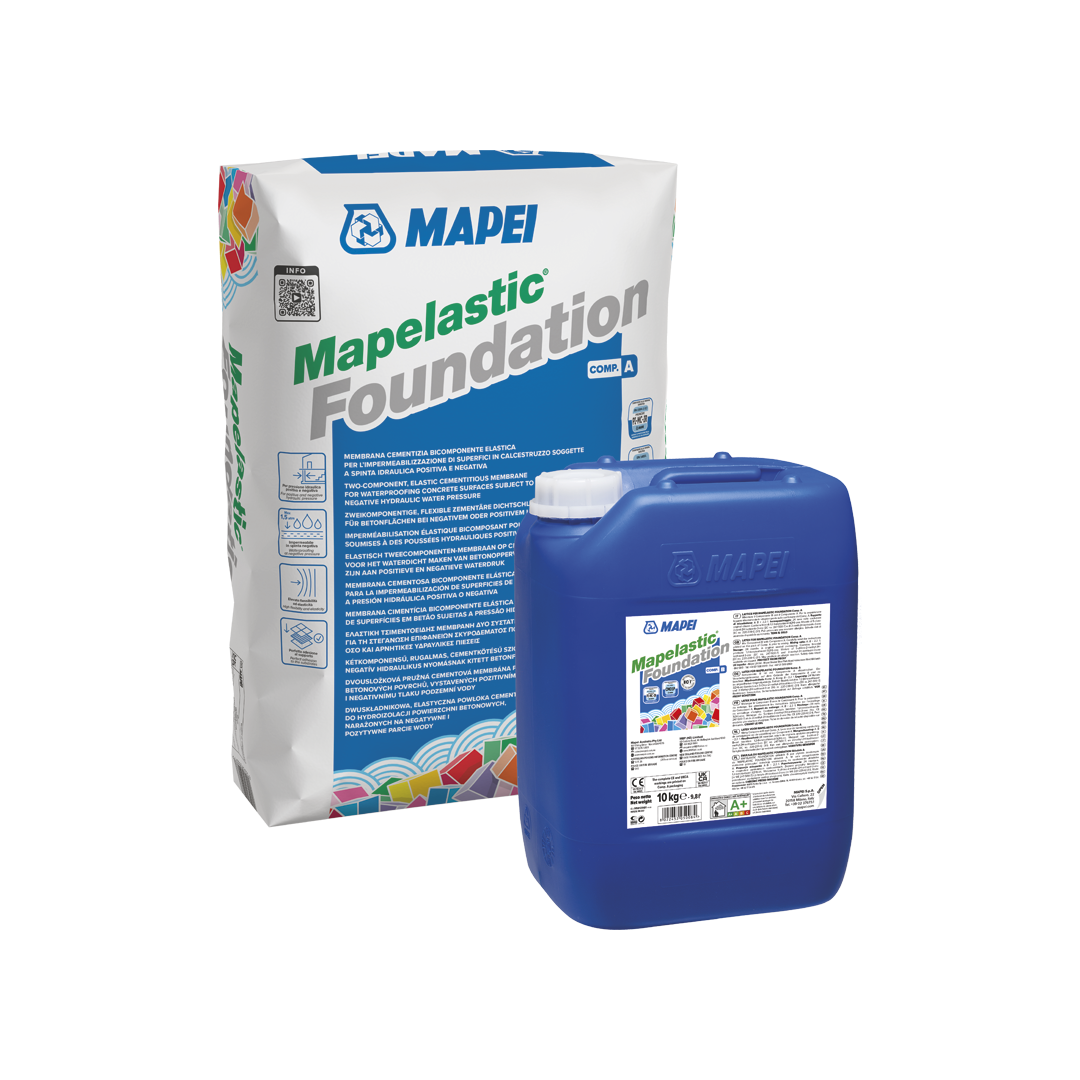
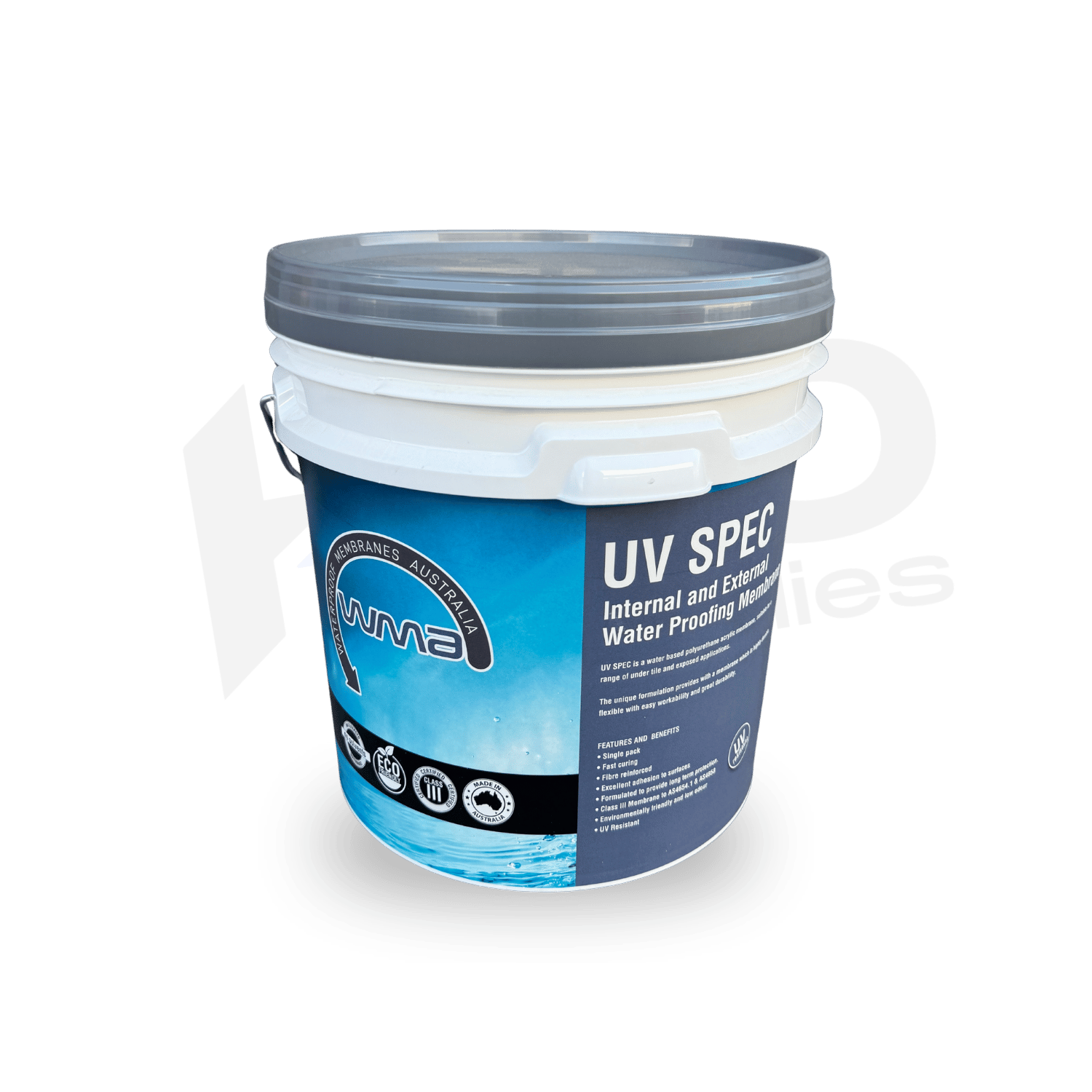
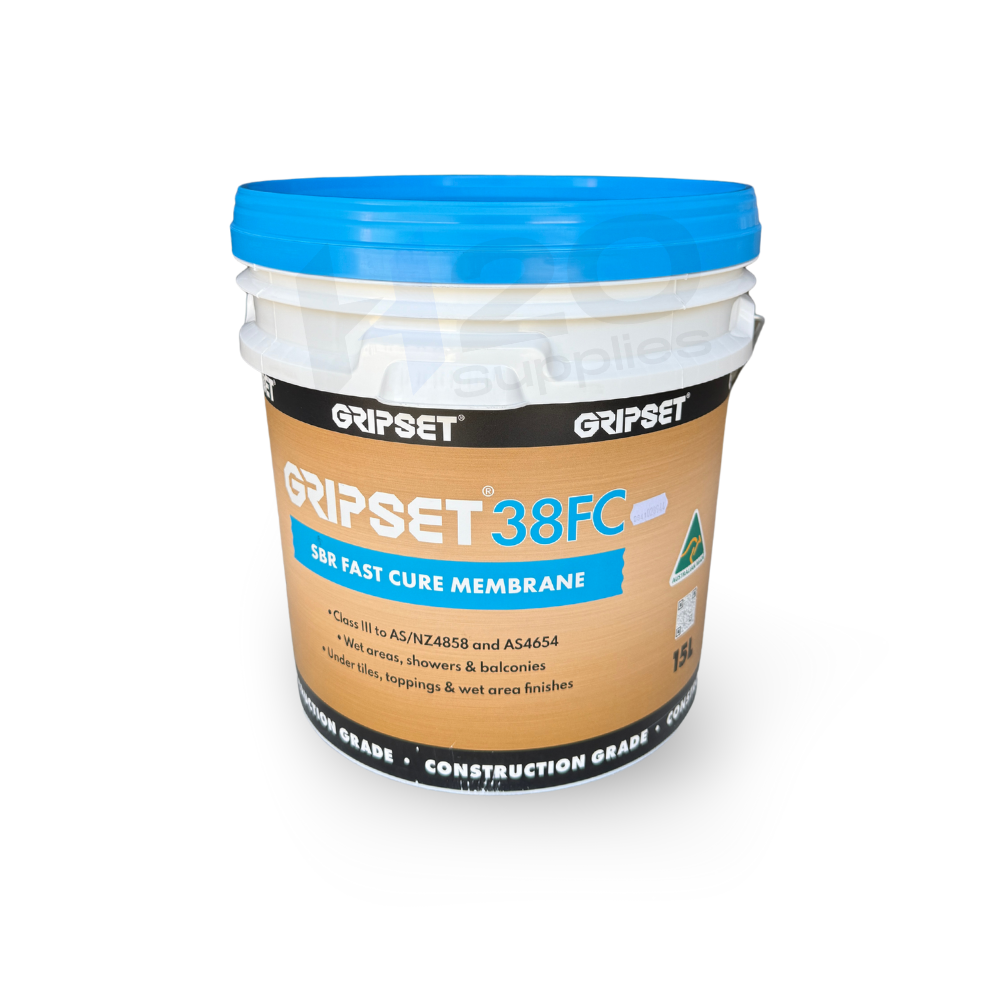
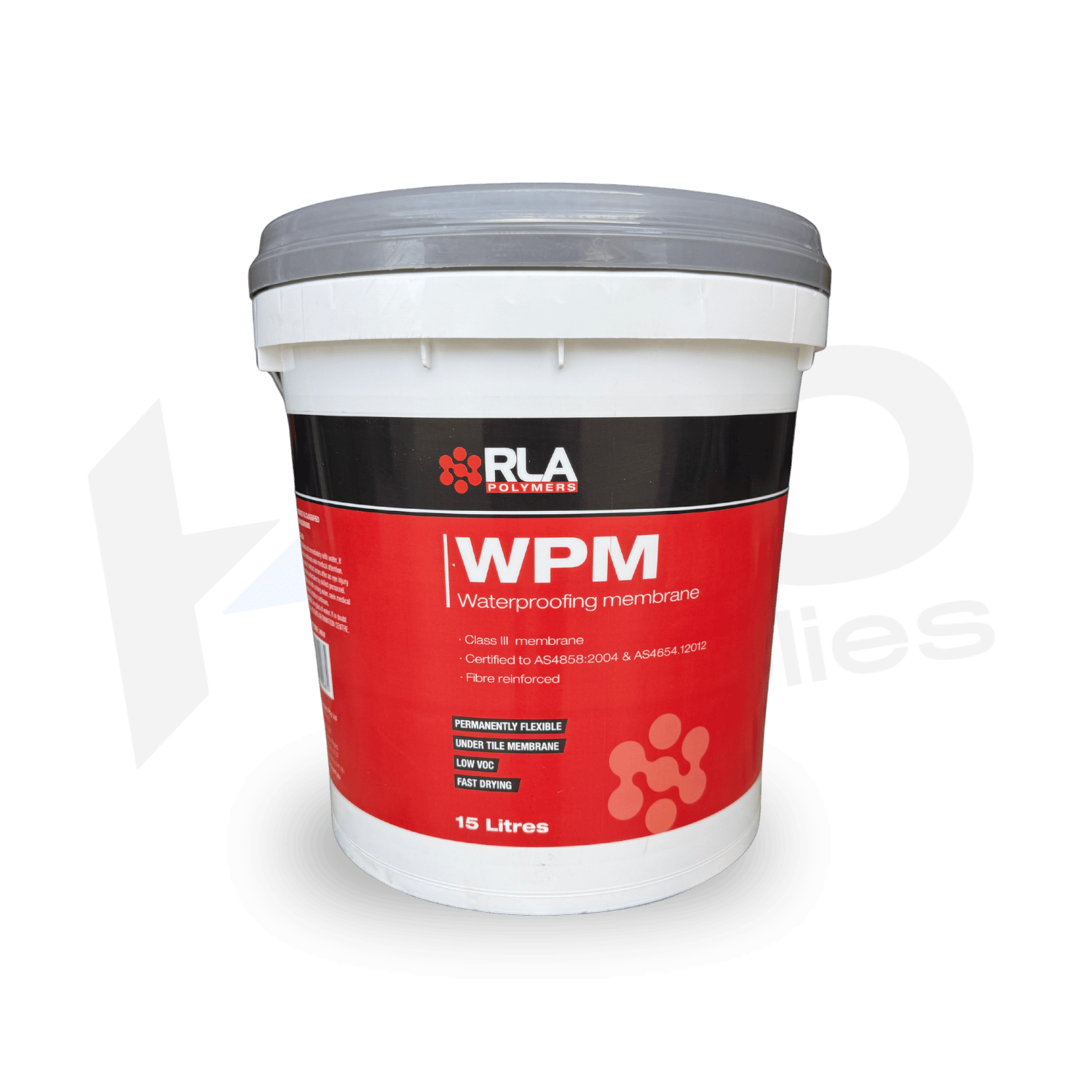
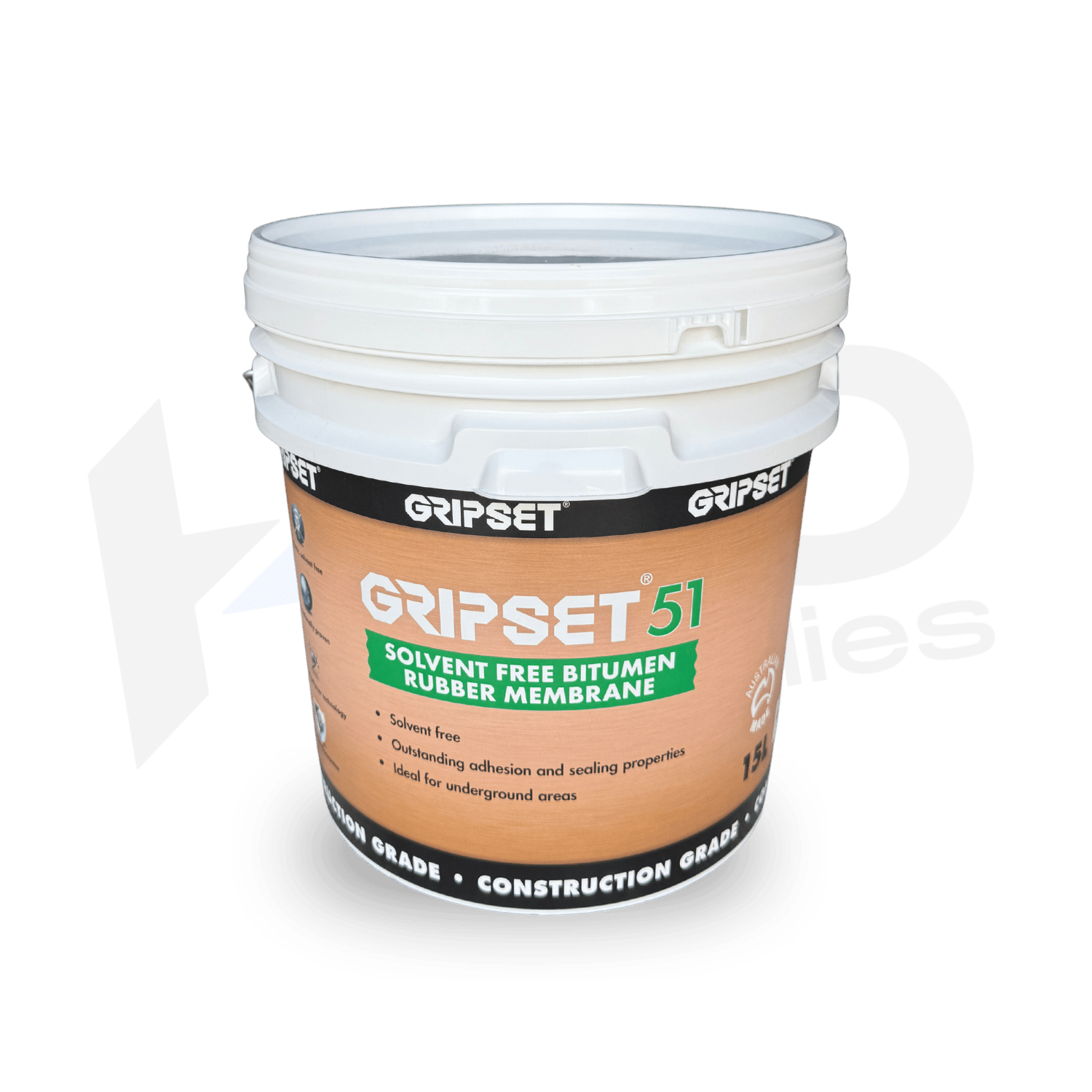
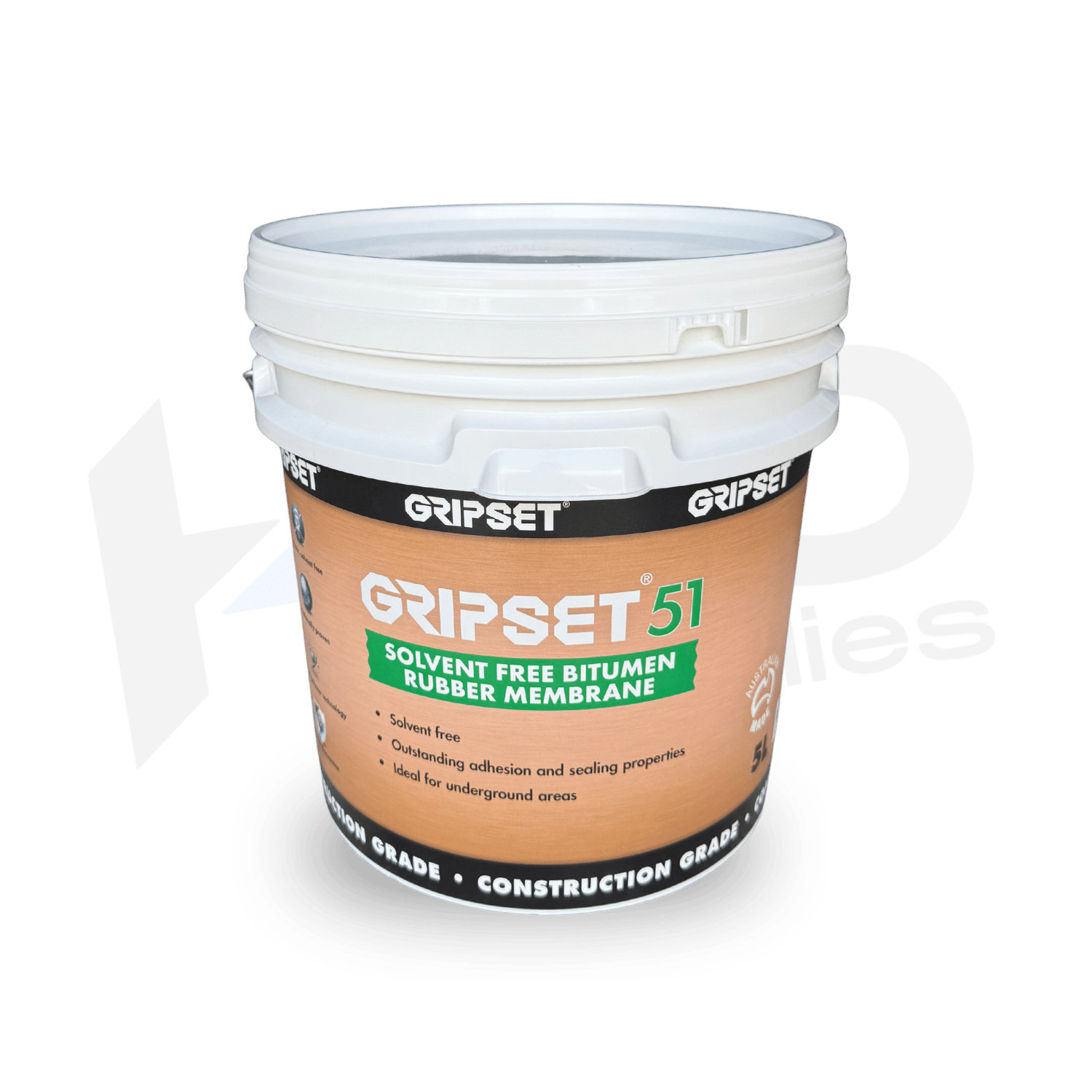
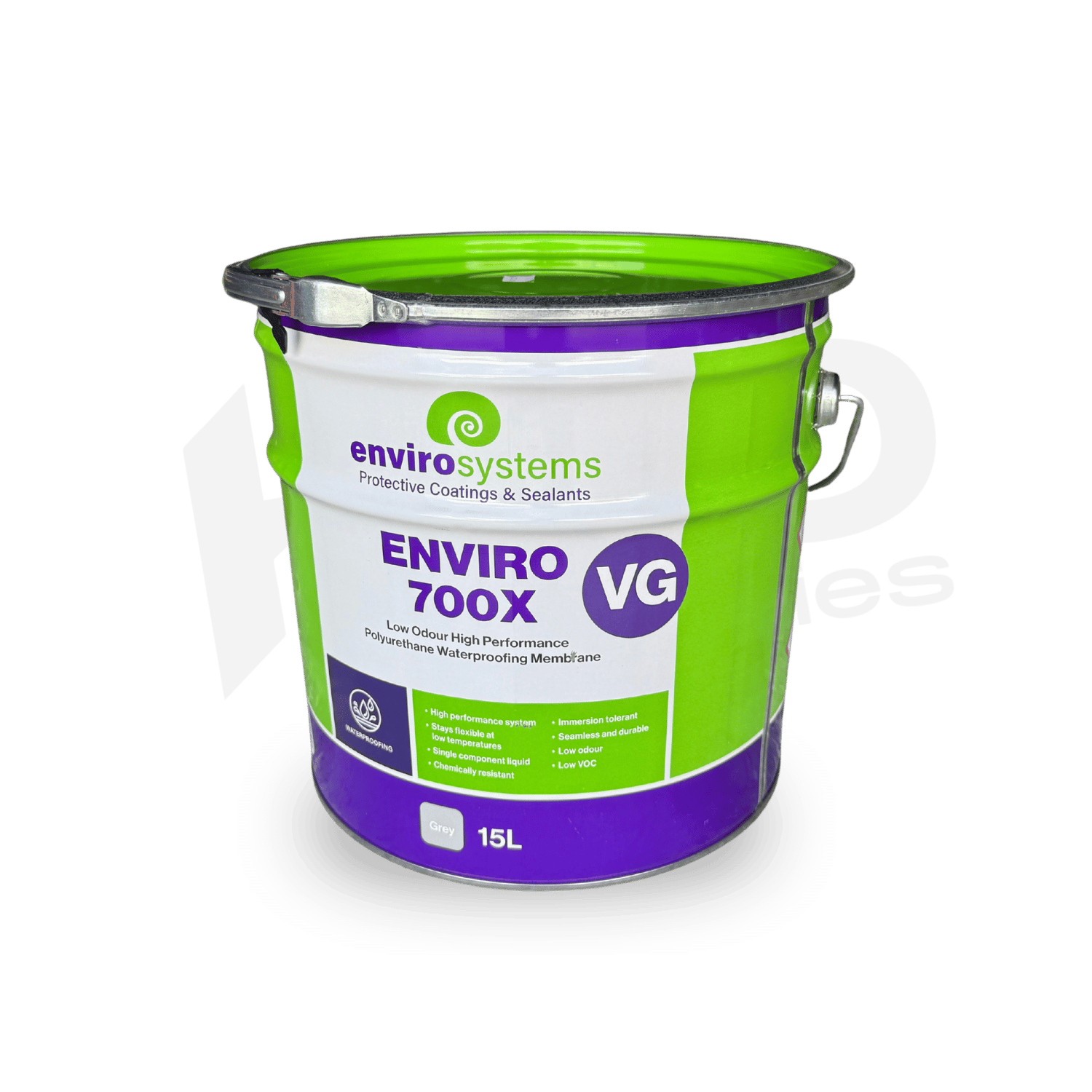
Shop liquid-applied waterproofing membranes for bathrooms, balconies, rooftops, podiums and below-ground applications. Compare polyurethane, acrylic, polymer-modified, cementitious and bituminous systems for trade and DIY projects.

Browse genuine membrane families first, then confirm substrate, movement, exposure, finish and complete system compatibility.
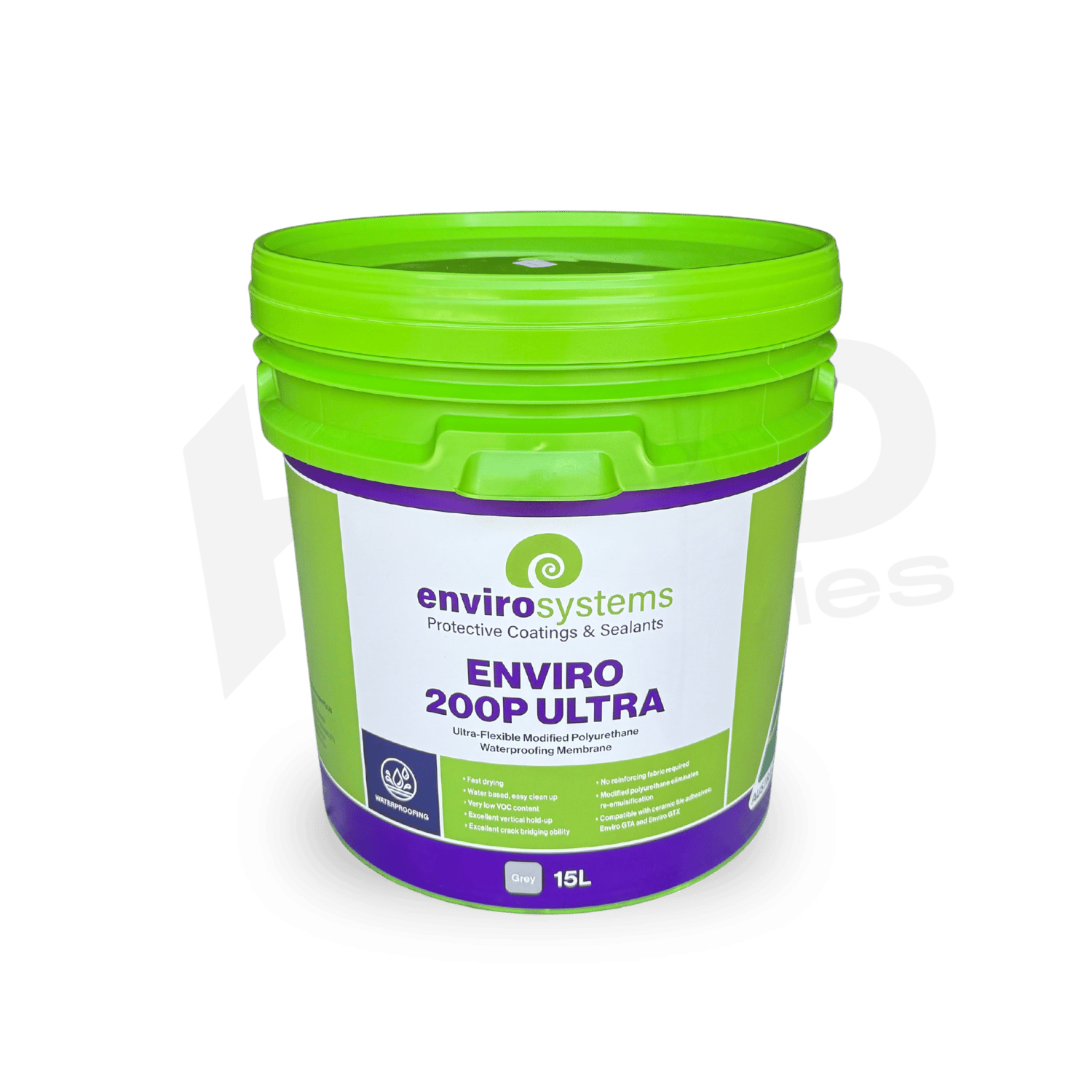
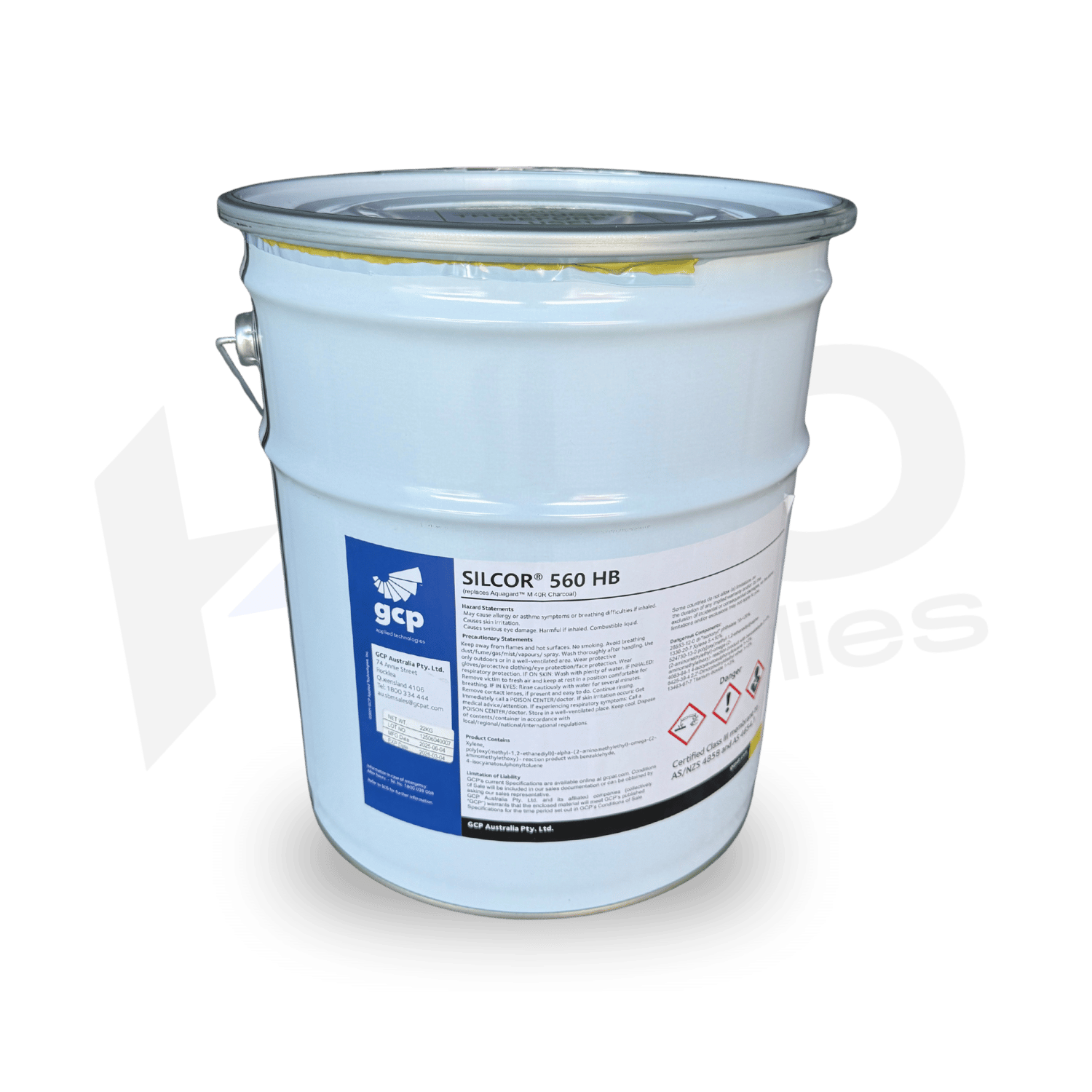
Liquid-applied PU systems for applications that require their documented flexibility, exposure performance and compatible primers.
Mineral-based systems commonly considered for concrete and masonry substrates; check movement, exposure and tiling requirements.
A practical range for compatible internal and external specifications; confirm UV, immersion and finish limitations product by product.
Bitumen-based liquid systems for appropriate below-ground and protected applications; verify substrate, exposure and overcoating requirements.
Select the membrane around substrate, movement, exposure and finish—not chemistry alone. Confirm the complete manufacturer system and current technical data before specification or application.
Identify the substrate, its strength, porosity and existing finish. Repair defects and prepare it to the membrane manufacturer’s current requirements.
Confirm expected movement and detail joints, corners, penetrations and terminations with components compatible with the selected membrane system.
Check UV, weather, immersion, traffic and tiling requirements. A membrane suitable below tiles is not automatically suitable when left exposed.
Use nominated primers, reinforcement, adhesives and protective finishes. Confirm layer compatibility, coverage, cure and recoat windows before application.


